David Orenstein | Picower Institute for Learning and Memory
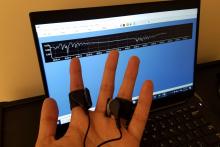
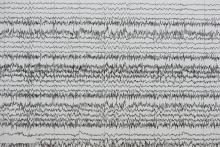
Electrodermal activity (EDA) — the sweat-induced fluctuations of skin conductance made famous in TV dramatizations of lie-detector tests — can be a truly strong indicator of subconscious, or “sympathetic,” nervous system a
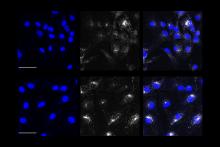
When the brain forms a memory of a new experience, neurons called engram cells encode the details of the memory and are later reactivated whenever we recall it.
Imagine that one day you’re riding the train and decide to hop the turnstile to avoid paying the fare. It probably won’t have a big impact on the financial well-being of your local transportation system.
David Orenstein | Picower Institute for Learning and Memory
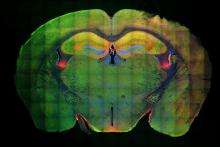
To understand the massive capabilities and complexities of the brain, neuroscientists segment it into regions based on what they appear to do — such as processing what we sense, or how to move.
Even in ordinary times, scientific process is stressful, with its demand for open-ended exploration and persistence in the face of failure. But the pandemic has added to the strain.
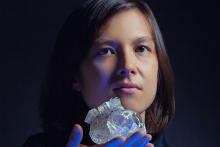
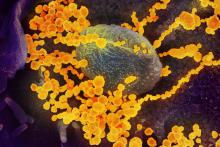
Since the start of the Covid-19 pandemic, researchers at MIT and the Broad Institute of MIT and Harvard, along with their collaborators at the University of Washington, Fred Hutchinson Cancer Research Center, Brigham and W
David Orenstein | Picower Institute for Learning and Memory
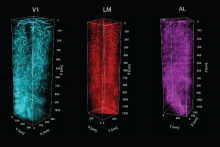
To produce your thoughts and actions, your brain processes information in a hierarchy of regions along its surface, or cortex, ranging from “lower” areas that do basic parsing of incoming sensations to “higher” executive r