

Main navigation

  • About BCS
    • Mission
    • History
    • Building 46
      • Building 46 Room Reservations
    • Leadership
    • Employment
    • Contact
      • BCS Spot Awards
      • Building 46 Email and Slack
    • Directory
  • Faculty + Research
    • Faculty
    • Areas of Research
    • Postdoctoral Research
      • Postdoctoral Association and Committees
    • Core Facilities
    • InBrain
      • InBRAIN Collaboration Data Sharing Policy
  • Academics
    • Course 9: Brain and Cognitive Sciences
    • Course 6-9: Computation and Cognition
      • Course 6-9 MEng
    • Brain and Cognitive Sciences PhD
      • How to Apply
      • Program Details
      • Classes
      • Research
      • Student Life
      • For Current Students
    • Molecular and Cellular Neuroscience Program
      • How to Apply to MCN
      • MCN Faculty and Research Areas
      • MCN Curriculum
      • Model Systems
      • MCN Events
      • MCN FAQ
      • MCN Contacts
    • Research Scholars Program
    • Course Offerings
  • News + Events
    • News
    • Events
    • Recordings
    • Newsletter
  • Community + Culture
    • Community + Culture
    • Community Stories
    • Outreach
      • MIT Summer Research Program (MSRP)
      • Conferences, Outreach and Networking Opportunities
    • Post-Baccalaureate Research Scholars Program
    • Get Involved (MIT login required)
    • Resources (MIT login Required)
  • Give to BCS
    • Join the Champions of the Brain Fellows Society
    • Meet Our Donors

Utility Menu

  • Directory
  • Apply to BCS
  • Contact Us

Footer

  • Contact Us
  • Employment
  • Be a Test Subject
  • Login

Footer 2

  • McGovern
  • Picower

Utility Menu

  • Directory
  • Apply to BCS
  • Contact Us
Brain and Cognitive Sciences
Menu
MIT

Main navigation

  • About BCS
    • Mission
    • History
    • Building 46
    • Leadership
    • Employment
    • Contact
    • Directory
  • Faculty + Research
    • Faculty
    • Areas of Research
    • Postdoctoral Research
    • Core Facilities
    • InBrain
  • Academics
    • Course 9: Brain and Cognitive Sciences
    • Course 6-9: Computation and Cognition
    • Brain and Cognitive Sciences PhD
    • Molecular and Cellular Neuroscience Program
    • Research Scholars Program
    • Course Offerings
  • News + Events
    • News
    • Events
    • Recordings
    • Newsletter
  • Community + Culture
    • Community + Culture
    • Community Stories
    • Outreach
    • Post-Baccalaureate Research Scholars Program
    • Get Involved (MIT login required)
    • Resources (MIT login Required)
  • Give to BCS
    • Join the Champions of the Brain Fellows Society
    • Meet Our Donors

Events

News Menu

  • News
  • Events
  • Newsletters

Breadcrumb

  1. Home
  2. Events
  3. Quest | CBMM Seminar Series: Joel Leibo, DeepMind
Quest | CBMM Seminar Series: Joel Leibo, DeepMind
Center for Brains, Minds and Machines (CBMM)

Quest | CBMM Seminar Series: Joel Leibo, DeepMind

Add to CalendarAmerica/New_YorkQuest | CBMM Seminar Series: Joel Leibo, DeepMind03/04/2025 4:00 pm03/04/2025 5:30 pmBuilding 46,Singleton Auditorium
March 4, 2025
4:00 pm - 5:30 pm
Location
Building 46,Singleton Auditorium
    Description

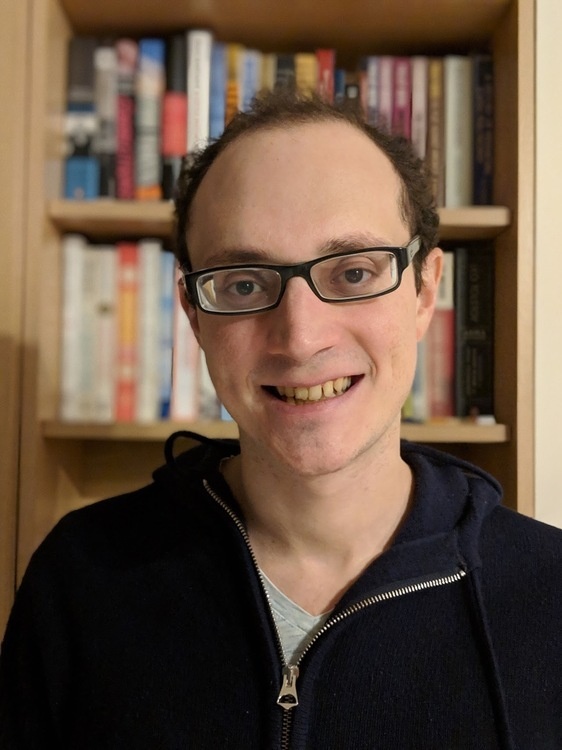
    Joel Leibo, senior staff research scientist at Google DeepMind and professor at King's College London, will speak in Singleton Auditorium as part of the Quest and CBMM seminar series on March 4th.


    Title: A theory of Appropriateness with Applications to Generative Artificial Intelligence


    Abstract: What is appropriateness? Humans navigate a multi-scale mosaic of interlocking notions of what is appropriate for different situations. We act one way with our friends, another with our family, and yet another in the office. Likewise for AI, appropriate behavior for a comedy-writing assistant is not the same as appropriate behavior for a customer-service representative. What determines which actions are appropriate in which contexts? And what causes these standards to change over time? Since all judgments of AI appropriateness are ultimately made by humans, we need to understand how appropriateness guides human decision making in order to properly evaluate AI decision making and improve it. In this talk, I will present a theory of appropriateness: how it functions in human society, how it may be implemented in the brain, and what it means for responsible deployment of generative AI technology.

    Upcoming Events

    May
    Tue
    19
    The Picower Institute for Learning and Memory

    Neuroscience of Democracy Symposium

    9:00am to 5:00pm
    Add to CalendarAmerica/New_YorkNeuroscience of Democracy Symposium05/19/2026 9:00 am05/19/2026 5:00 pmBuilding 46,Singleton Auditorium (46-3002)
    May
    Thu
    21
    McGovern Institute for Brain Research

    2026 Yang ICoN Center Symposium: Self-Organization and Emergence in Development

    8:45am to 6:00pm
    Add to CalendarAmerica/New_York2026 Yang ICoN Center Symposium: Self-Organization and Emergence in Development05/21/2026 8:45 am05/21/2026 6:00 pmBuilding 46,Singleton Auditorium
    Jun
    Tue
    9
    McGovern Institute for Brain Research

    RareNet 2026: Accelerating Discovery to Treatment in Rare Brain Disorders

    9:00am to 4:15pm
    Add to CalendarAmerica/New_YorkRareNet 2026: Accelerating Discovery to Treatment in Rare Brain Disorders06/09/2026 9:00 am06/09/2026 4:15 pmBuilding 46,Singleton Auditorium
    See All Events
    Don't miss our next newsletter!
    Sign Up

    Footer menu

    • Contact Us
    • Employment
    • Be a Test Subject
    • Login

    Footer 2

    • McGovern
    • Picower
    Brain and Cognitive Sciences

    MIT Department of Brain and Cognitive Sciences

    Massachusetts Institute of Technology

    77 Massachusetts Avenue, Room 46-2005

    Cambridge, MA 02139-4307 | (617) 253-5748

    For Emergencies | Accessibility

    Massachusetts Institute of Technology