Sabbi Lall | McGovern Institute for Brain Research
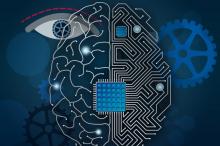
Your ability to recognize objects is remarkable. If you see a cup under unusual lighting or from unexpected directions, there’s a good chance that your brain will still compute that it is a cup.
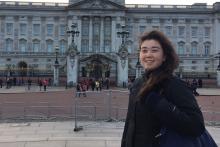
Studying Spanish language and culture in Madrid, discovering the literary history of British authors in London, or taking summer courses in Scandinavia are just some of the ways that MIT students experience global edu
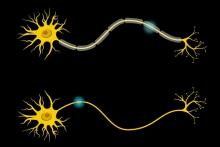
Williams Syndrome, a rare neurodevelopmental disorder that affects about 1 in 10,000 babies born in the United States, produces a range of symptoms including cognitive impairments, cardiovascular problems, and extreme frie
When Katie O’Nell’s high school biology teacher showed a NOVA video on epigenetics after the AP exam, he was mostly trying to fill time. But for O’Nell, the video sparked a whole new area of curiosity.
Four MIT faculty members are among more than 200 leaders from academia, business, public affairs, the humanities, and the arts elected to the American Academy of Arts and Sciences, the academy announced today.
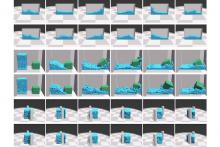
A new learning system developed by MIT researchers improves robots’ abilities to mold materials into target shapes and make predictions about interacting with solid objects and liquids.
David Orenstein | Picower Institute for Learning and Memory
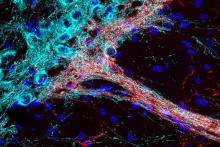
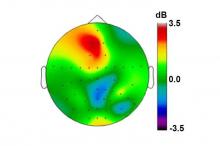
In a new study that could improve the therapeutic efficacy of deep-brain stimulation (DBS) for psychiatric disorders such as depression, a team of scientists shows that when DBS is applied to a spec