




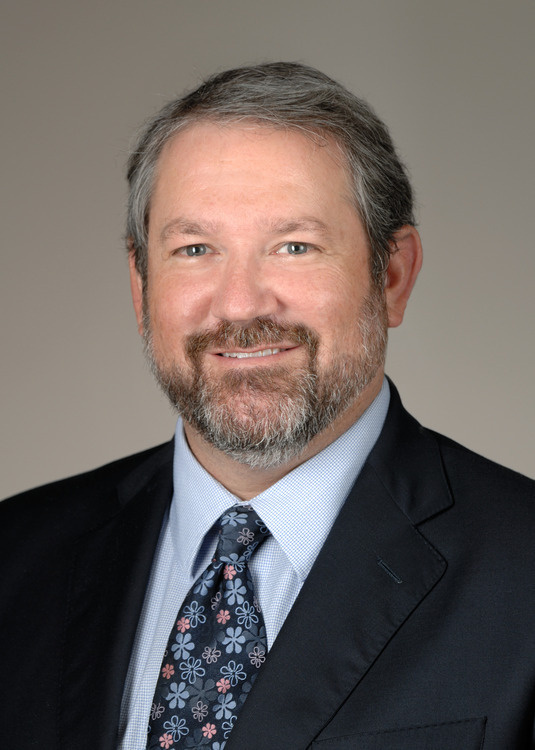
McGovern Institute Special Seminar with Joshua A. Gordon
Description
Date: Thursday, July 30, 2026
Time: 12:00 – 1:00 pm
Location: Building 46, Singleton Auditorium
Talk Title: mPFC interneurons in spatial working memory function and dysfunction
Abstract: Working memory is a core cognitive ability that is disrupted in schizophrenia and other mental illnesses. In rodents, working memory of spatial locations relies on a circuit involving the prefrontal cortex and its inputs, including the hippocampus and thalamus. Function in this circuit is disrupted in mouse models of genetic predisposition to schizophrenia, resulting in deficits in spatial working memory. I will describe past work from our laboratory elucidating a causal pathway leading from a particular genetic susceptibility factor, the 22q11.2 microdeletion, through cellular, circuit, and system-level phenotypes to these behavioral deficits. I will also present recent and unpublished work implicating roles for specific interneuron subtypes in spatial working memory and its disruption by the microdeletion.
Bio: Joshua A. Gordon, M.D., Ph.D., is the Chair of the Department of Psychiatry at Columbia University. This is his second stint at Columbia, having been a member of the faculty from 2004 to 2016, where he conducted research, taught students and residents, and maintained a general psychiatry practice. Immediately prior to re-joining Columbia, Dr. Gordon served as the Director of the National Institute of Mental Health (NIMH) from 2016 until 2024, where he oversaw the principal US Government agency responsible for mental health research. Dr. Gordon received M.D. and Ph.D. degrees in neuroscience from the University of California, San Francisco, and completed a psychiatry residency and research fellowship at Columbia University prior to joining the faculty in 2004.
Dr. Gordon’s research employs an integrative systems approach towards understanding the neurobiology underlying working memory and its disruption by genes of relevance to schizophrenia. Utilizing a range of modern neuroscience techniques, including in vivo neurophysiology and optical and pharmacological circuit manipulation, his lab has demonstrated a crucial role for oscillatory neural dynamics in the long-range functional connectivity in the hippocampal-prefrontal circuit in rodents. Through studying mice carrying mutations that, in humans, confer risk for schizophrenia, he has developed and tested causal hypotheses for how genetic variants confer risk for disease. By disrupting these processes and then testing pharmacological and neuromodulatory approaches to reversing this disruption, his work has laid the groundwork for potential translation.
Dr. Gordon is a member of the National Academy of Medicine. His work has been recognized by several prestigious awards, including the NARSAD Young Investigator Award from the Brain and Behavior Research Foundation; the Rising Star Award from the International Mental Health Research Organization; the A.E. Bennett Research Award from the Society of Biological Psychiatry, and the Daniel H. Efron Research Award from the American College of Neuropsychopharmacology.