Anne Stuart | Department of Electrical Engineering and Computer Science
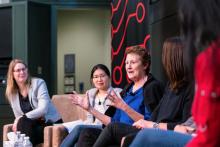
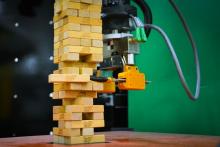
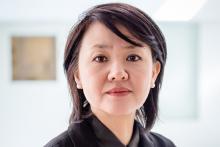
When she was an MIT undergraduate studying electrical engineering, Jeannette Wing ’78, SM ’79, PhD ’83 took a required computer science class and began thinking about changing her major.
Stephanie M. McPherson | Department of Brain and Cognitive Sciences
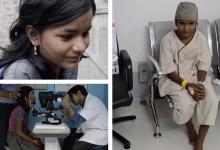
Pawan Sinha, a professor of vision and computational neuroscience in the Department of Brain and Cognitive Sciences, first met Poonam when the girl was 13 years old.
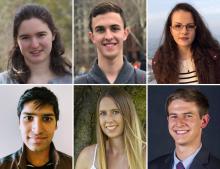
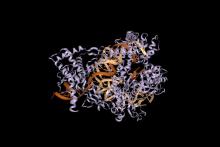
A team that includes the scientist who first harnessed the revolutionary CRISPR-Cas9 and other systems for genome editing of eukaryotic organisms, including animals and plants, has engineered another CRISPR system, called
David Orenstein | Picower Institute for Learning and Memory
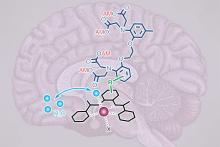
A new study by researchers at the Picower Institute for Learning and Memory at MIT finds that the protein CPG2 is significantly less abundant in the brains of people with bipolar disorder (BD) and shows how specific mutati