




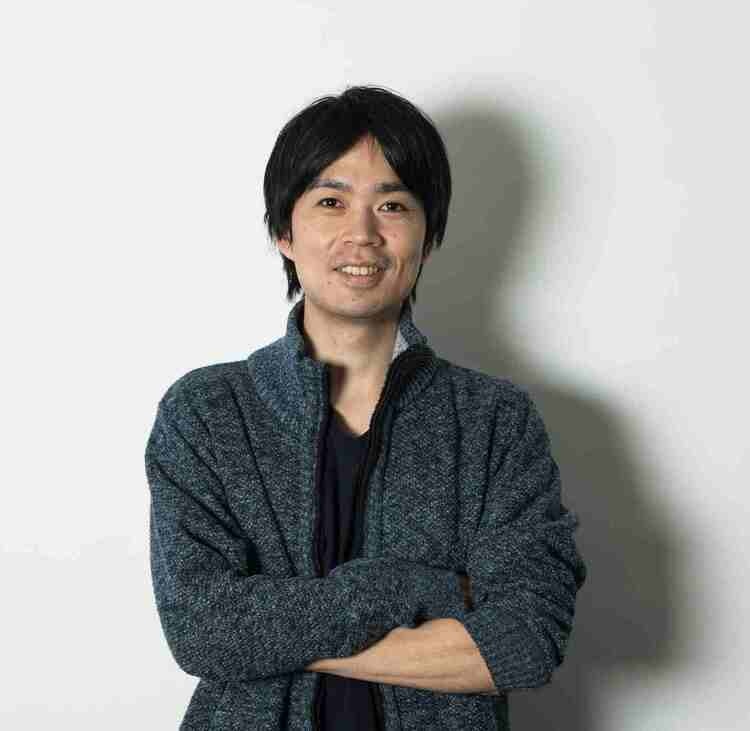
SCSB Lunch Series with Dr. Tatsuya Osaki: Modeling Blood-Brain Barrier Integrity and Hemodynamics in Autism Spectrum Disorder with an iPSC-Derived Microphysiological System
Description
Date: Friday, October 16, 2026
Time: 12:00pm – 1:00pm
Location: Simons Center Conference room 46-6011. Zoom: https://mit.zoom.us/j/99705232954
Speaker: Tatsuya Osaki, Ph.D.
Affiliation: Research Scientist, Mriganka Sur Laboratory, Picower Institute for Learning and Memory, MIT
Talk title: Modeling Blood-Brain Barrier Integrity and Hemodynamics in Autism Spectrum Disorder with an iPSC-Derived Microphysiological System
Abstract: Autism spectrum disorder (ASD) encompasses a diverse group of neurodevelopmental conditions characterized by challenges in social interaction, cognition, and communication. While neuronal dysfunction has been extensively studied, the role of vascular dysregulation, particularly blood-brain barrier (BBB) integrity and cerebrovascular hemodynamics during early development, remains largely unexplored. Using Rett syndrome (RTT) as a disease entry point, we demonstrate that mutations in methyl-CpG binding protein 2 (MeCP2) impair endothelial cell function, suggesting a vascular-intrinsic contribution to pathogenesis. To investigate this, we developed a human iPSC-derived microphysiological system recapitulating BBB structure and function in a physiologically relevant 3D environment. Patient-derived endothelial cells carrying MeCP2 mutations self-assembled into perfusable microvascular networks, revealing significant impairment in vascular barrier function, independently validated in MeCP2 knockout mouse models. Transcriptomic analysis identified aberrant upregulation of miR-126 and loss of tight junction integrity as key mediators of BBB dysfunction. Targeted inhibition of miR-126-3p restored barrier function, establishing it as a novel therapeutic candidate. Building on these findings, we are expanding this platform to model hemodynamic alterations across broader ASD subtypes, with in vivo cross-validation via two-photon microscopy, aiming to uncover shared neurovascular mechanisms and identify therapeutic targets for ASD and related neurodevelopmental disorders.